

Smart textiles built to capture more of the human signal.
Zemi integrates flexible biometric sensing directly into clothing, enabling physiological signals to be captured across multiple locations on the body during natural, real-world activity.
At the center of the platform is a patented, water-based conductive ink that can be screen-printed onto fabric to create soft, scalable sensors without relying on traditional adhesive electrodes, wires, and rigid hardware.
The PlatformA wearable electrophysiology lab, built into fabric.
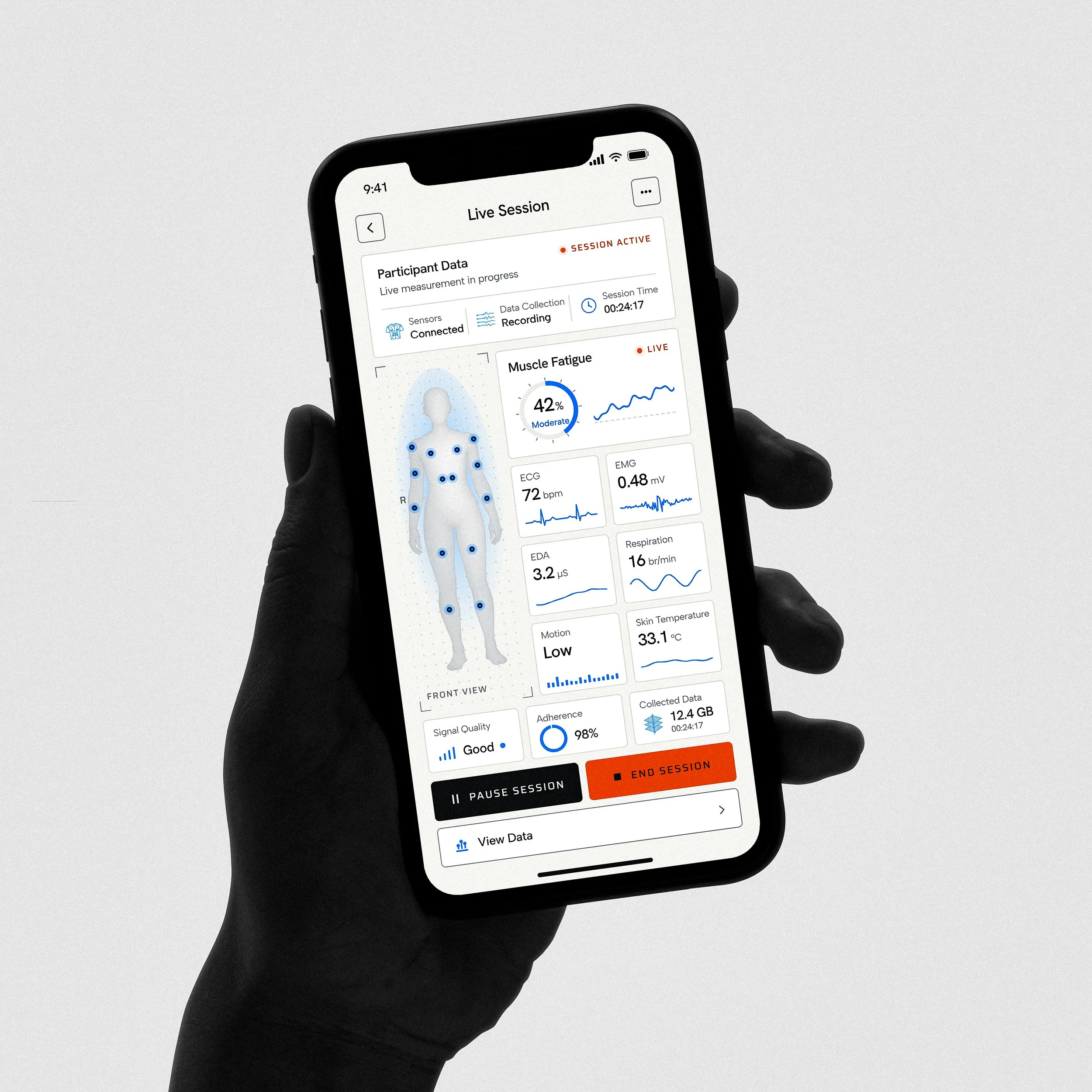
Zemi combines printed textile sensors, multimodal signal capture, wearable electronics, and research software into a platform designed for physiological measurement beyond the traditional lab.
PRINTED TEXTILE SENSORSPatented conductive ink is screen-printed directly onto fabric, turning the garment itself into a flexible sensing interface.
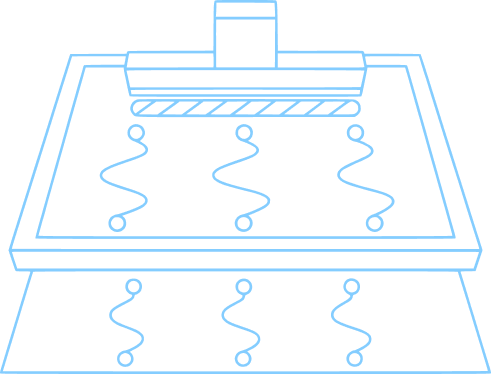
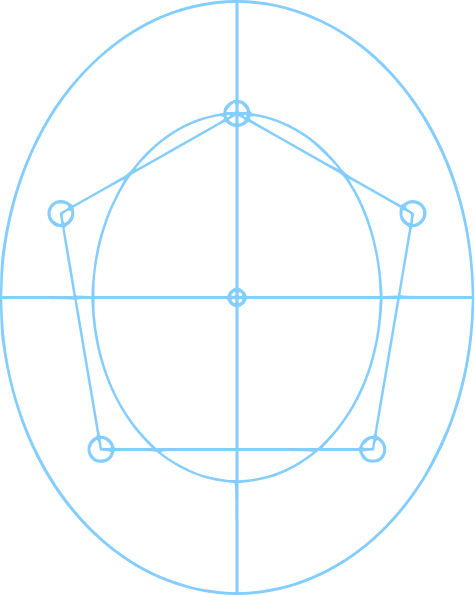
Multi-Site SensingSensors can be positioned across the body to collect signals from multiple locations rather than relying on a single wrist- or finger-based measurement.
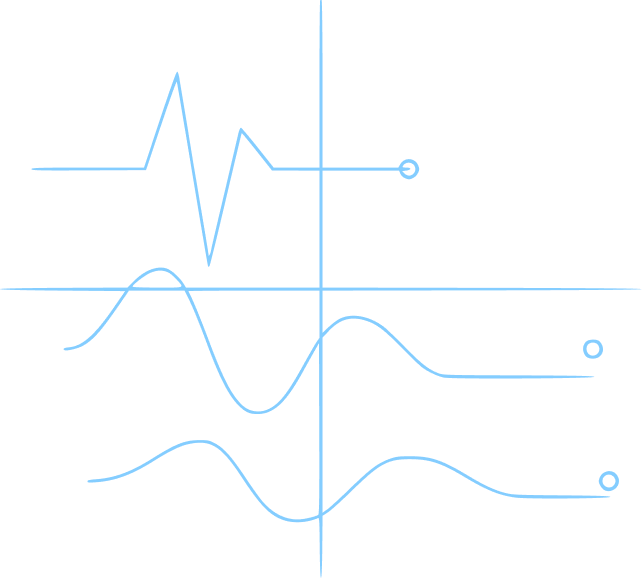
Multi-Modal DataOne platform can capture multiple physiological signals, including cardiac, muscular, and autonomic activity—to provide greater biological context.
Real-World MonitoringSoft, wearable form factors allow data to be collected during movement and everyday activity, extending measurement beyond controlled laboratory environments.
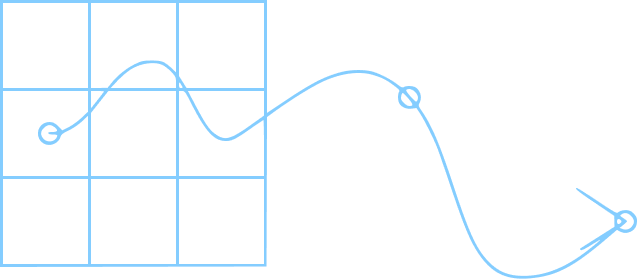
From conductive ink to physiological data.

-
Zemi’s core sensing technology begins with a proprietary water-based conductive polymer ink. The material is engineered for high electrical conductivity and can be deposited directly onto textile surfaces to create embedded biosignal traces.
The core material technology is exclusively licensed from the University of Connecticut and has demonstrated an approximately 30,000× increase in conductivity as a result of our printing process.
-
Instead of constructing electrodes one at a time through embroidery or sewing, Zemi uses screen printing to deposit an entire sensor pattern onto a garment at once.
This approach enables faster throughput, lower production cost, and significantly greater electrode coverage, making high-density, multimodal sensing more practical to scale.
-
Printed sensors connect to Zemi’s modular electronics and software platform, where physiological signals can be recorded, monitored, and analyzed.
The system is being developed to support multimodal biomarker research while giving researchers tools for participant monitoring, signal-quality assessment, trend analysis, and analysis-ready data exports.
What We MeasureMultiple signals.
More physiological context.
Different signals reveal different parts of human physiology. Zemi is designed to bring those measurements together within a single wearable platform.
ECG
Cardiac Activity
Electrocardiography captures the electrical activity of the heart, providing insight into cardiac rhythm and cardiovascular function.
EMG
Muscle Activity
Electromyography measures electrical activity generated by skeletal muscles, supporting research into movement, fatigue, recovery, and musculoskeletal function.
EDA
Autonomic Activity
Electrodermal activity measures changes in skin conductance associated with sympathetic nervous system activity and the body's stress response.
RESP.
Breathing
Respiratory measurements provide additional context around physiological state, activity, stress, and recovery.
IMU
Movement + Orientation
Integrated motion and orientation sensing can place electrophysiological signals in context with how the body is moving.
TEMP+
Thermoregulation
Skin temperature and sweat-related measurements add another layer of information about the body's response to activity and environmental conditions.
FAQs
What makes Zemi different from traditional wearable devices?
1
Most consumer wearables collect data from a single location such as the wrist or finger. Zemi integrates sensors directly into clothing, allowing physiological signals to be measured from multiple locations across the body and providing greater context around how different systems interact.
What physiological signals can Zemi measure?
2
Zemi’s platform is being developed to capture electrophysiological signals including ECG for cardiac activity, EMG for muscle activity, and EDA for sympathetic nervous system activity. The platform can also incorporate motion, orientation, respiration, skin temperature, and sweat-related measurements.
How are the sensors integrated into the garment?
3
Zemi uses a patented, water-based conductive ink that is screen-printed directly onto fabric. Rather than sewing individual electrodes into a garment, the screen-printing process can deposit an entire sensor pattern at once, enabling higher electrode coverage and scalable production.
Is Zemi technology already being used in research?
4
Yes. The Zemi Belt and Zemi Core have already been deployed with research partners, including work involving UConn and Yale. Current research includes applications related to pain, autonomic response, and ambulatory physiological monitoring.